Etrangère
FOREIGNER
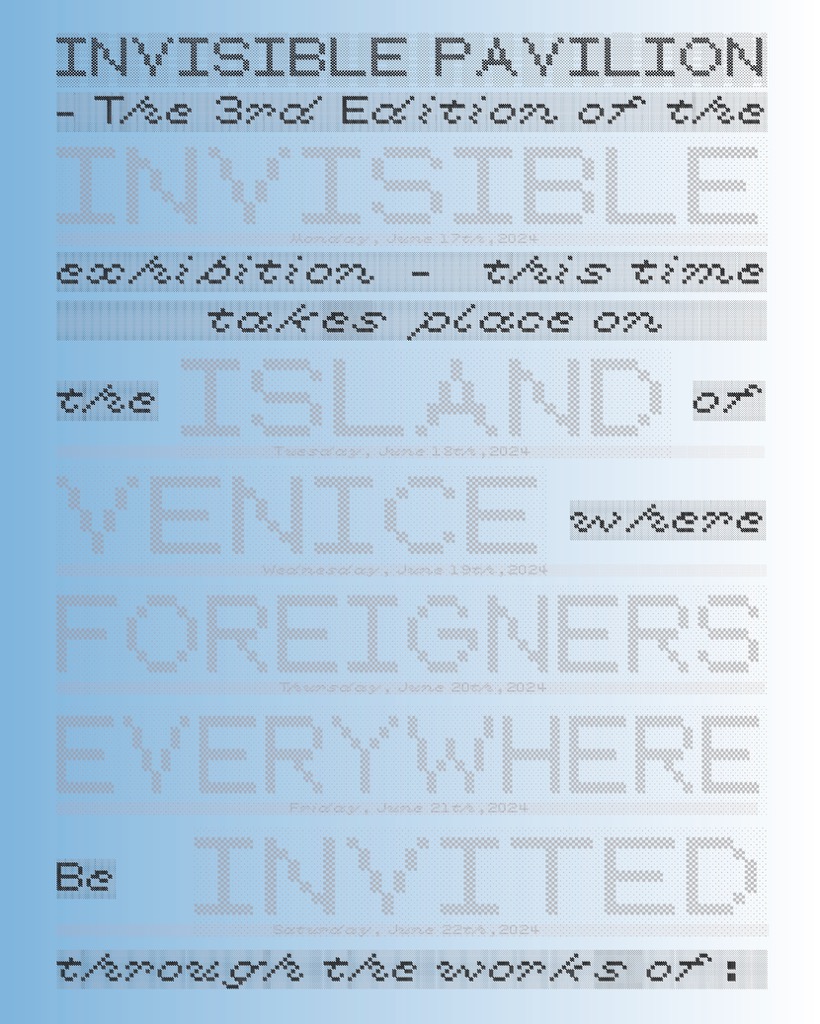
My questions as an artist lead me to question the world, and it was with this in mind that I accepted the invitation to take part in this third edition of the "Invisible Pavilion". Activated by the artist Dimaë for his "Invisible Exhibition III" project. This year's Venice Biennale calls out to me with its ambiguous title: "Strangers Everywhere". Its ambition? To celebrate the indigenous, the queer and the outsider. It forces the curator to an oriented artistic selection, leaving out others who were also hoping to gain access to "paradise".
But another question goes through me: the growing politicization of the artistic and cultural scene of contemporary art. The 60th Venice Biennale does not escape.
- Russia misses the event for the second consecutive time.
- The Ukrainian flag, on the contrary, is represented.
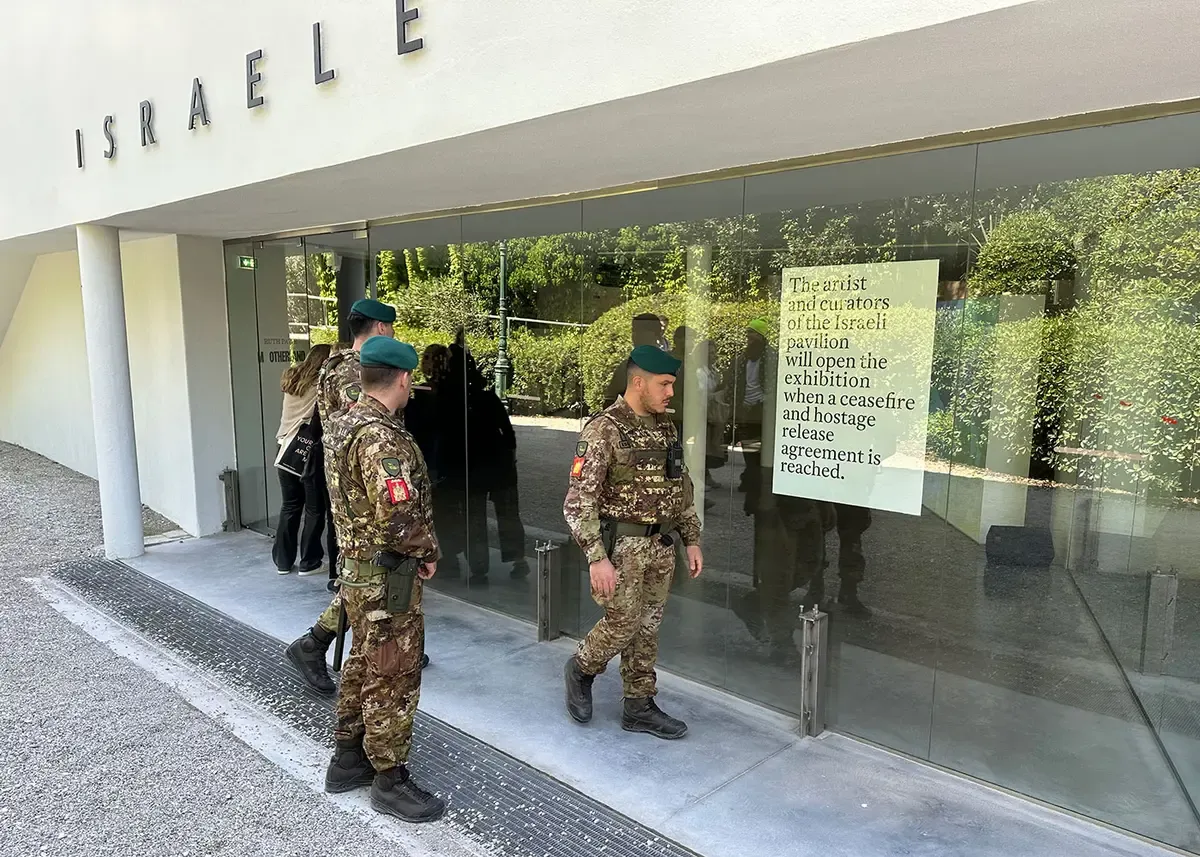
- The Israeli flag remains closed in protest against the war.
- As for Palestine, it has never had the right to exist in Venice.
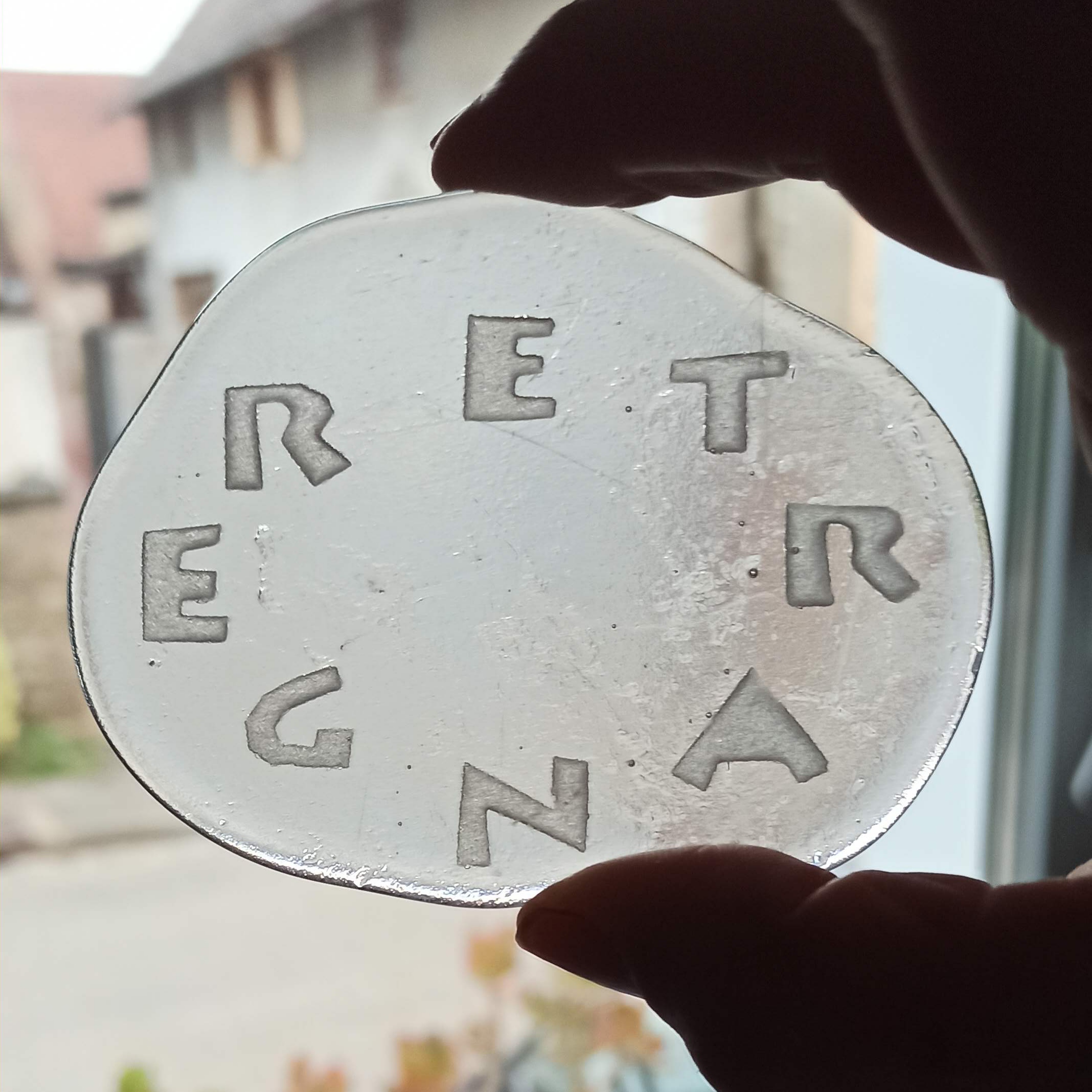
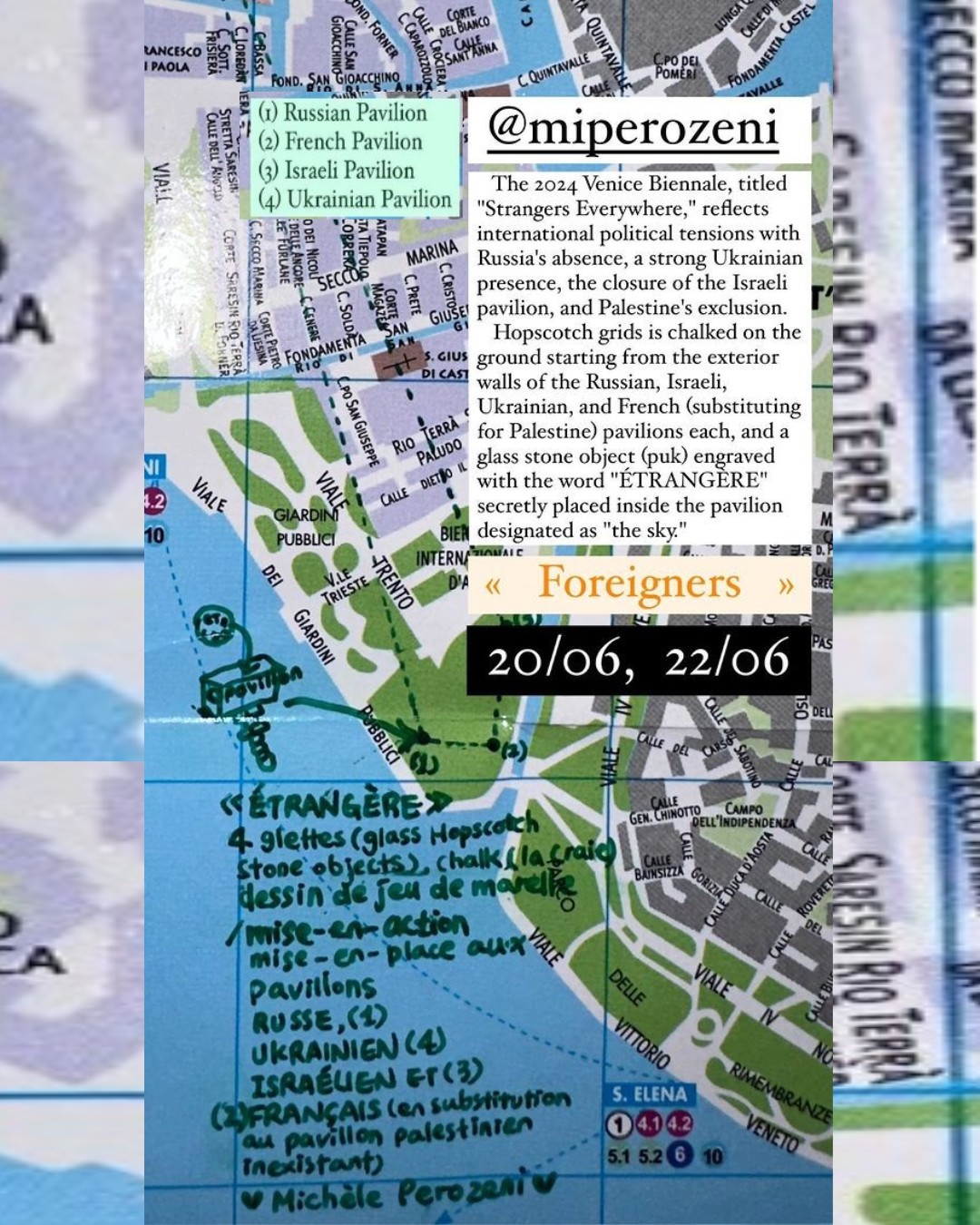
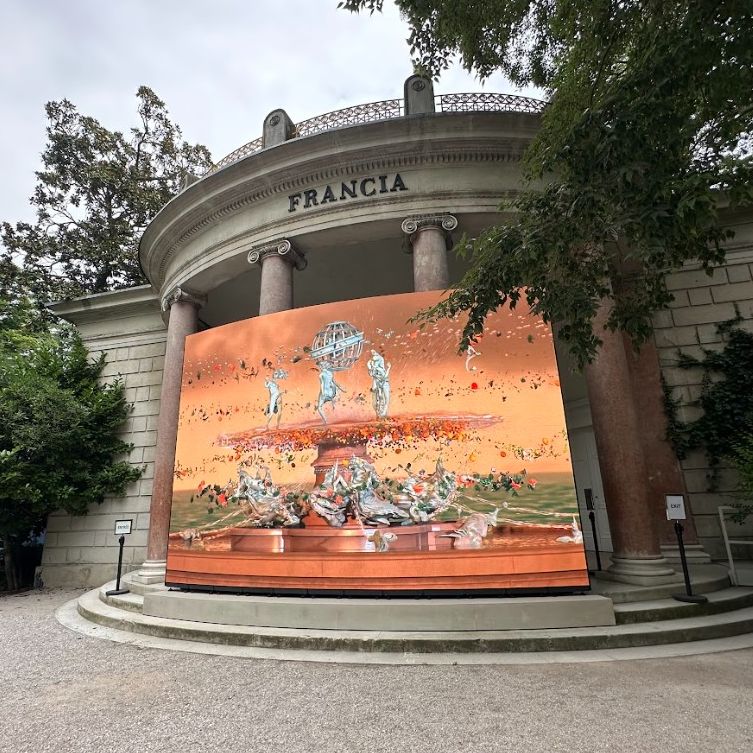
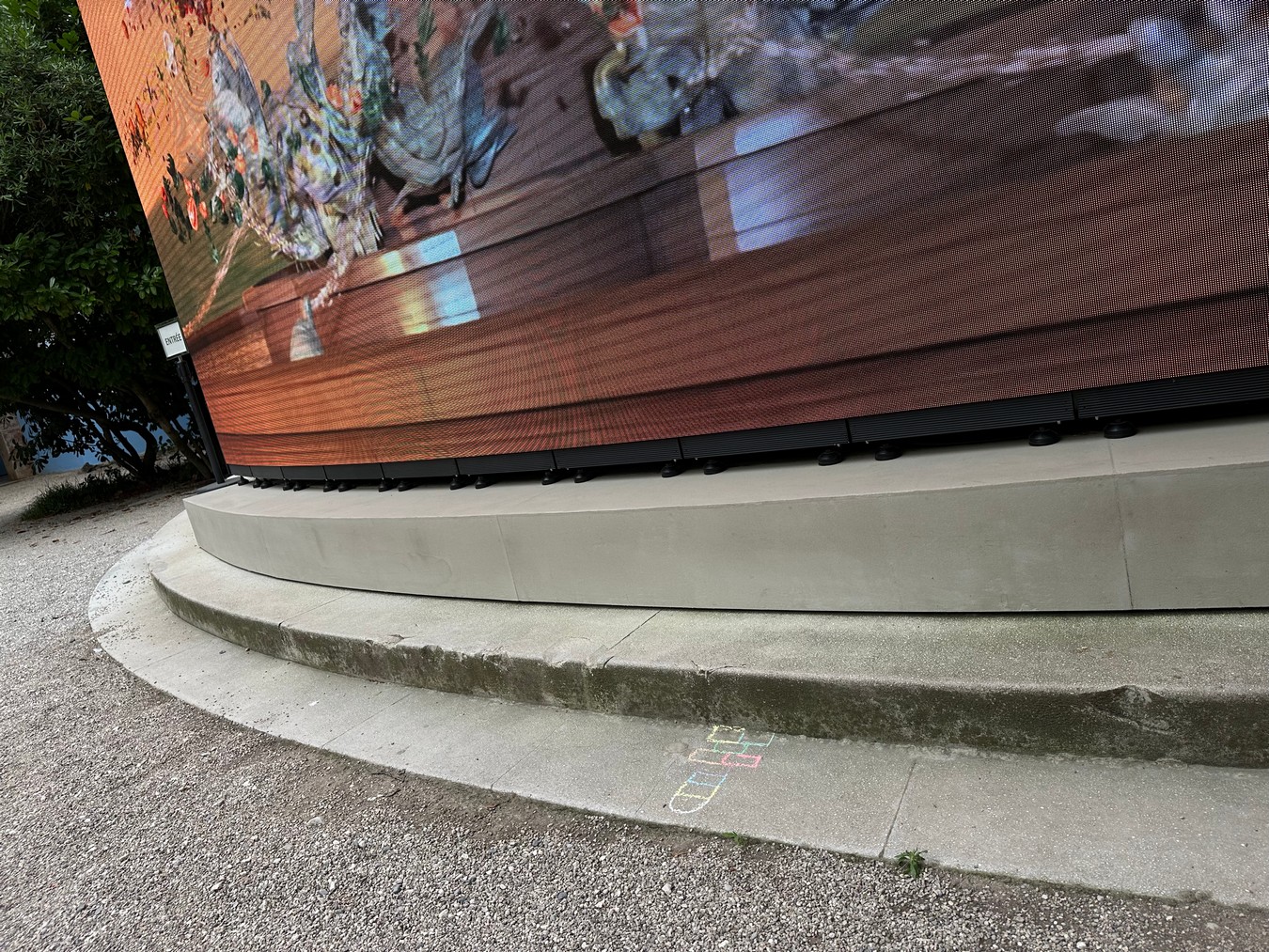
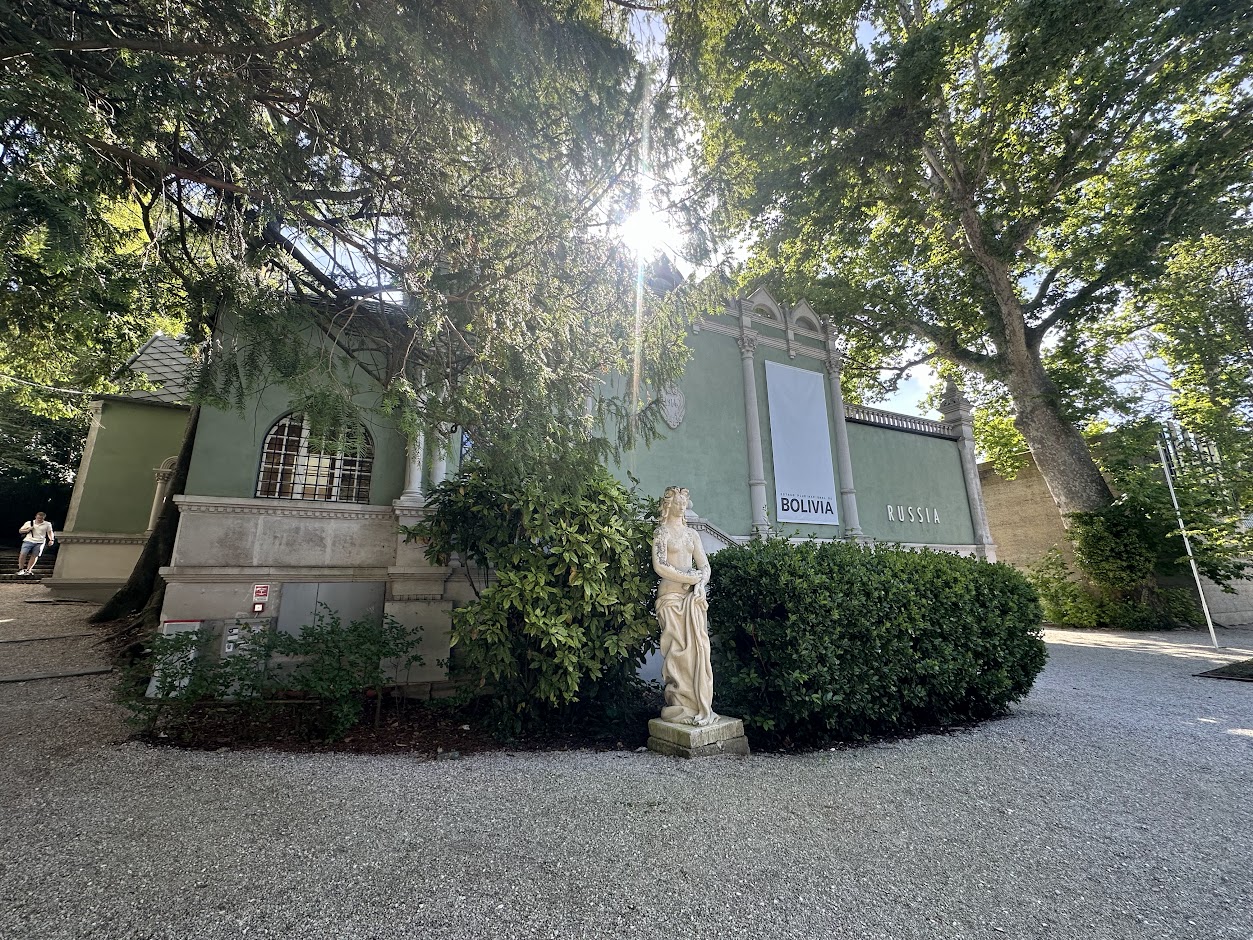
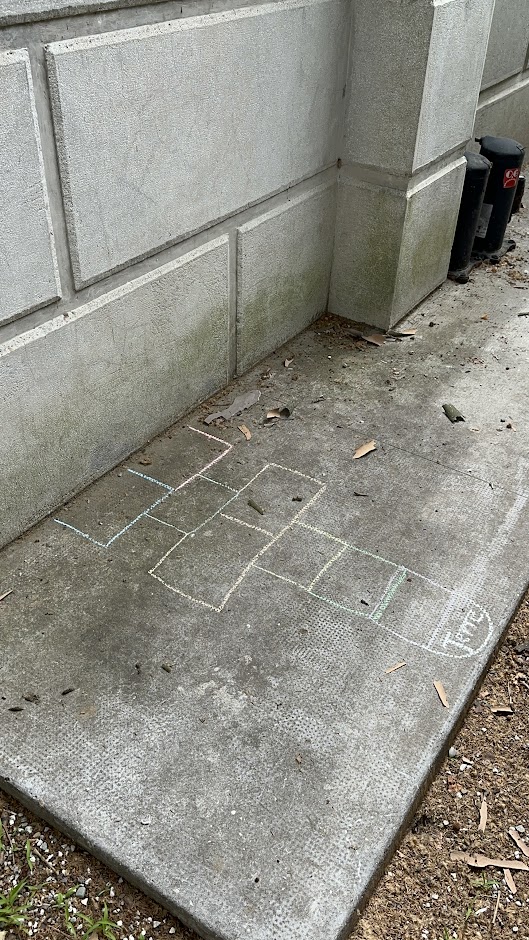
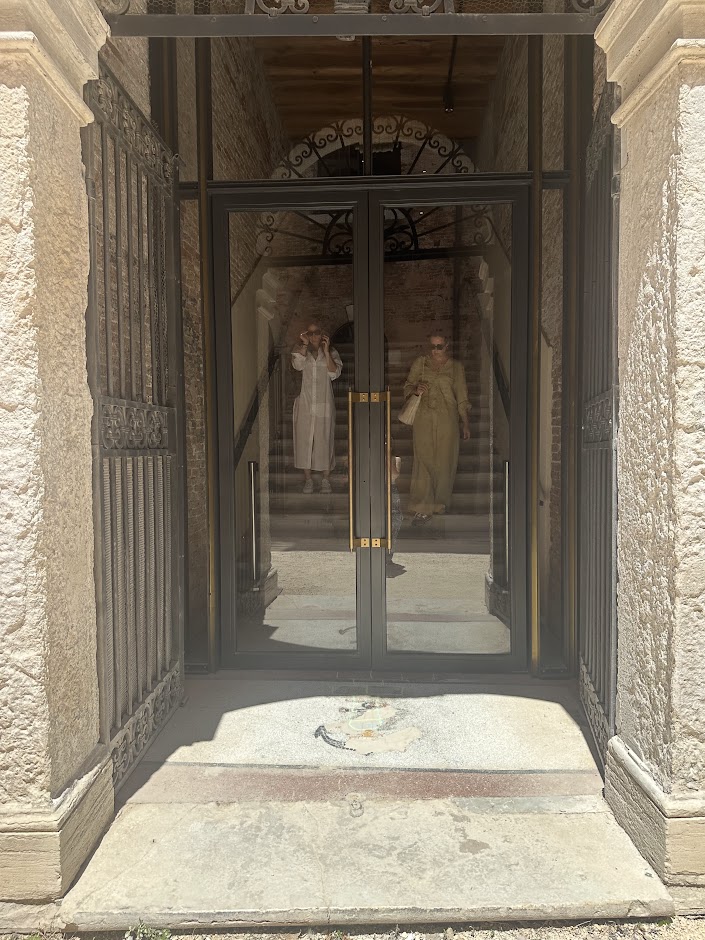
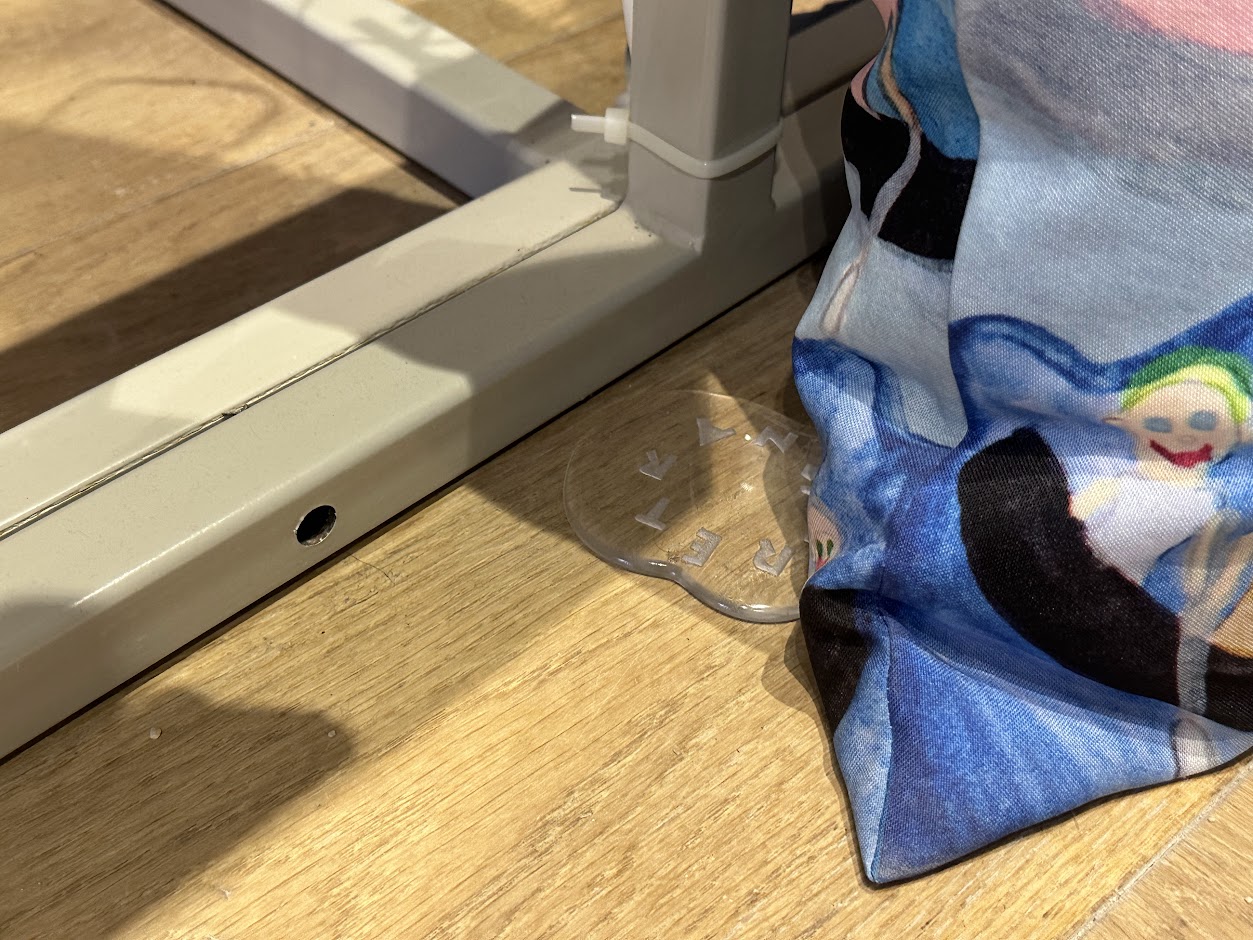
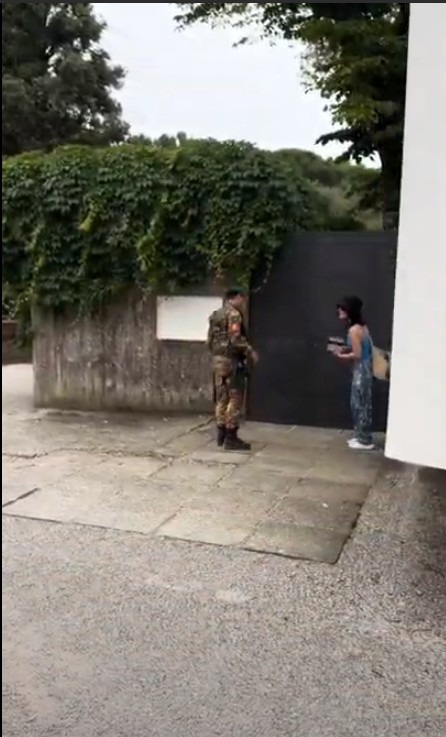
In this context, I chose to concentrate on these four pavilions: Russian, Israeli, Ukrainian and French (in place of the non-existent Palestinian pavilion) to activate four Glets. (hopscotch puck, made of glass in the north of France)
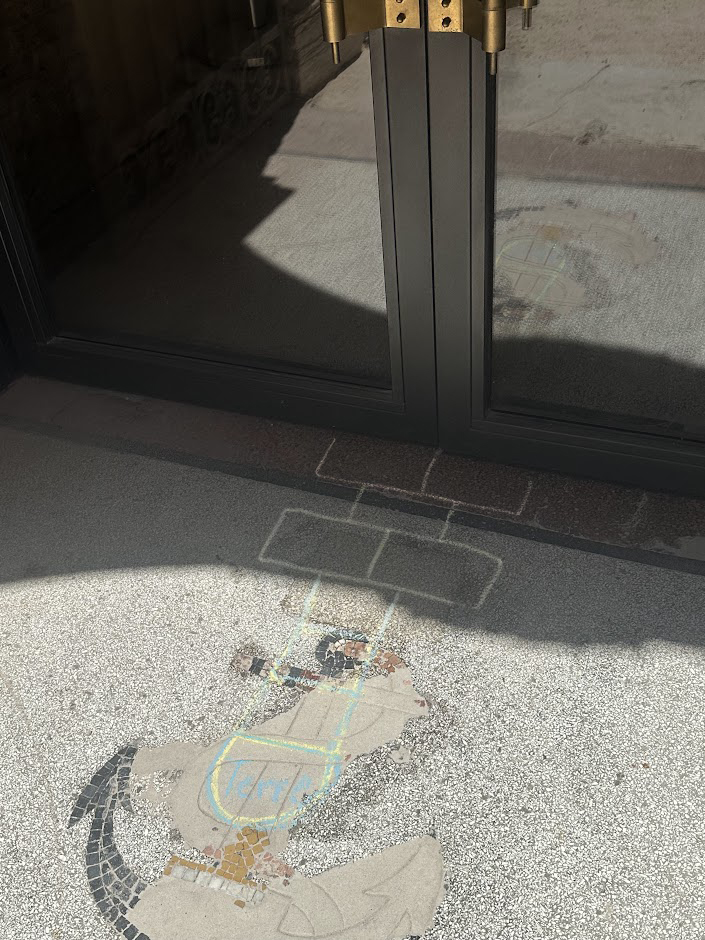
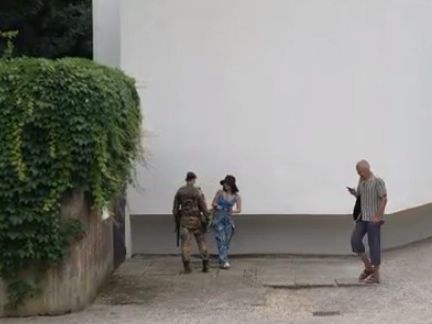
A hopscotch, without the sky, will be chalk drawing, backed onto the four pavilions.
The pavilion will embody the sky, a territory to reach.
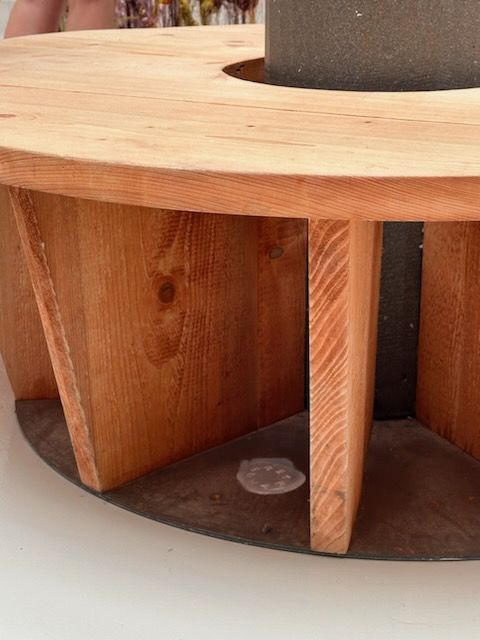
A crystal glet will be placed unexpectedly in the sky box, i.e. inside the pavilion, imposing itself without official invitation.
This discreet and playful pebble becomes a poetic intruder, a clandestine player in the Biennial, imposing itself in these pavilions without being invited.
If the pavilion becomes the sky for the artist, then the marelle grows: the pavilion becomes a territory, a space where an act of balance and justice is played.
This gesture questions the artistic selection of the Biennale and the politicization of contemporary art. The glet, a devious object, becomes a silent and poetic marker of those who remain excluded from legitimate spaces of recognition.